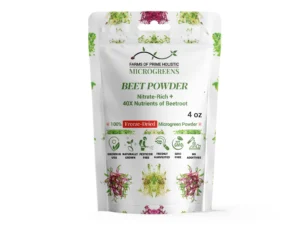
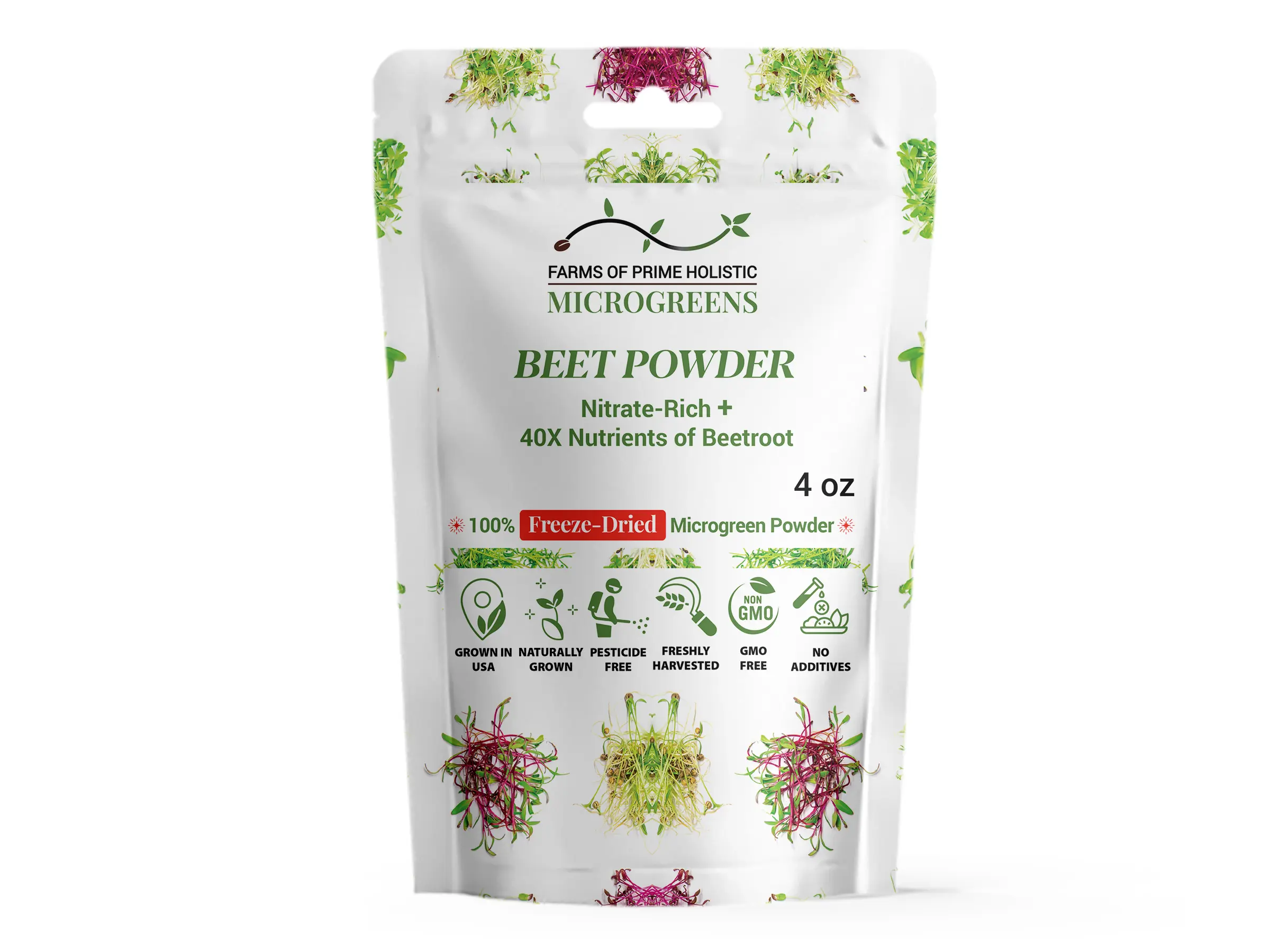
6 Key Benefits of Freeze-Dried Beet Powder
- Supports Cardiovascular Health
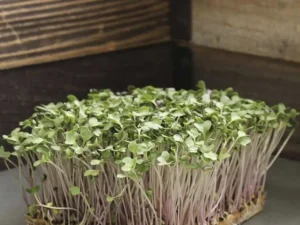
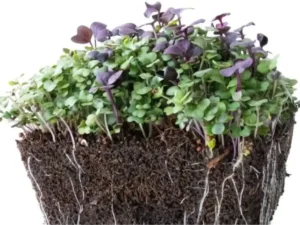
Beet microgreens are a natural source of dietary nitrates. Once consumed, nitrates convert into nitric oxide, which supports the relaxation of blood vessels and promotes healthy blood flow. Among the most recognized benefits of beet powder, this mechanism helps maintain blood pressure within the normal range. - Promotes Cellular Protection
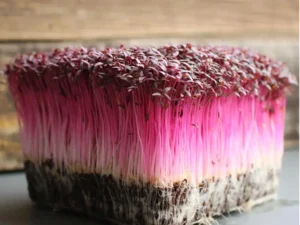
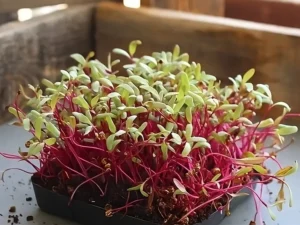
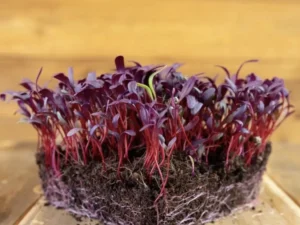
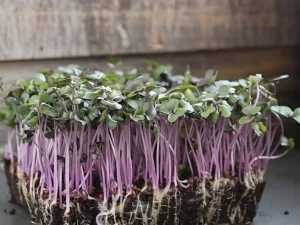
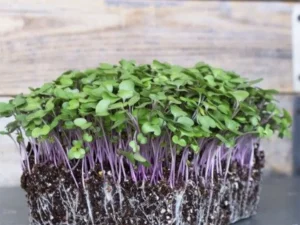
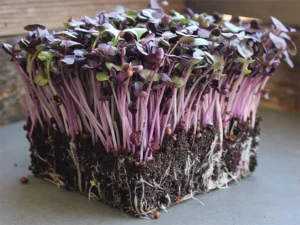
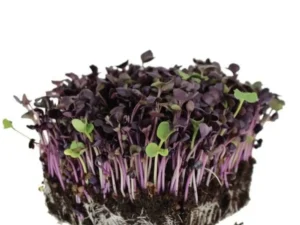
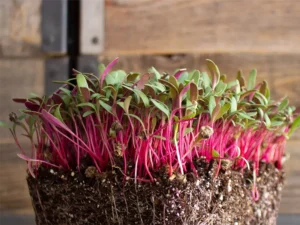
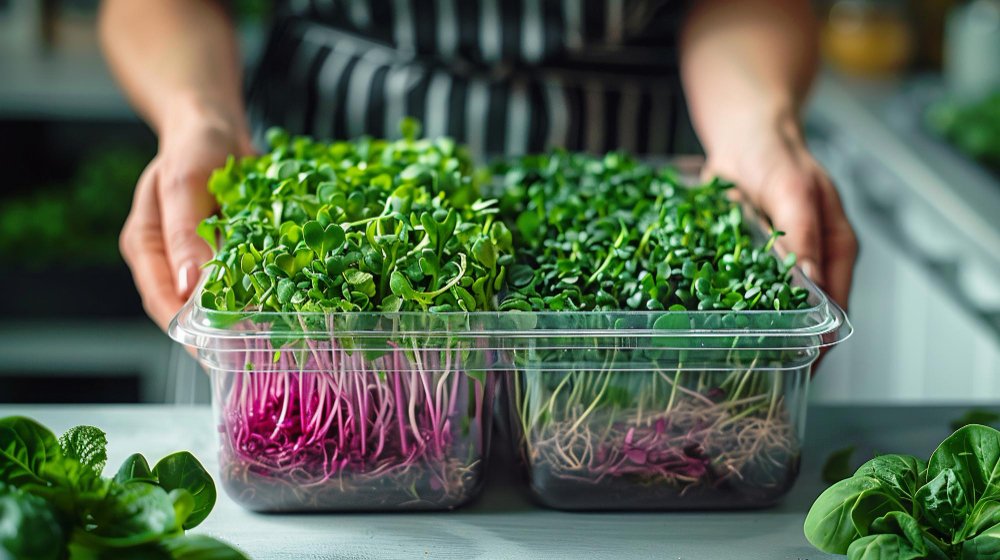
The deep red-violet color of beet microgreens comes from betalains—potent antioxidants that help neutralize free radicals. These phytonutrients support cellular integrity and protect tissues from everyday oxidative stress. - Supports Healthy Vision
Rich in beta-carotene (Vitamin A) and lutein, this freeze-dried beet powder supports retinal health and helps maintain normal visual function, particularly with age. - Helps Maintain Strong Bones
Vitamin K plays a critical role in bone mineralization. Beet microgreens provide this essential nutrient, working synergistically with calcium to help maintain bone density and skeletal strength. - Supports Healthy Blood & Energy Levels
Beet microgreens are a plant-based source of iron, necessary for hemoglobin formation and oxygen transport. One notable benefit of beet powder is supporting natural energy levels and reducing occasional fatigue. - Supports Immune Function
With Vitamin C content, beet powder supports white blood cell activity and helps maintain the body’s natural immune defenses.
Nutrient Profile
Our best beet powder provides naturally occurring:
- Vitamins A, B, C, E & K
- Calcium
- Magnesium
- Potassium
- Iron
- Zinc
- Plant-based protein
- Dietary nitrates
Flavor Profile
Sweet, earthy, and smooth — without bitterness.
Why Choose Freeze-Dried Beet Powder?
Maximum Nutrient Density
Freeze-drying preserves heat-sensitive vitamins, antioxidants, and enzymes better than conventional drying methods.
Superior Convenience
- Shelf-stable (10+ years when stored properly)
- No washing or prep required
- Easy daily nutrition boost
Year-Round Availability
Enjoy the nutritional benefits of fresh microgreens year-round.
Versatile Use
Add to:
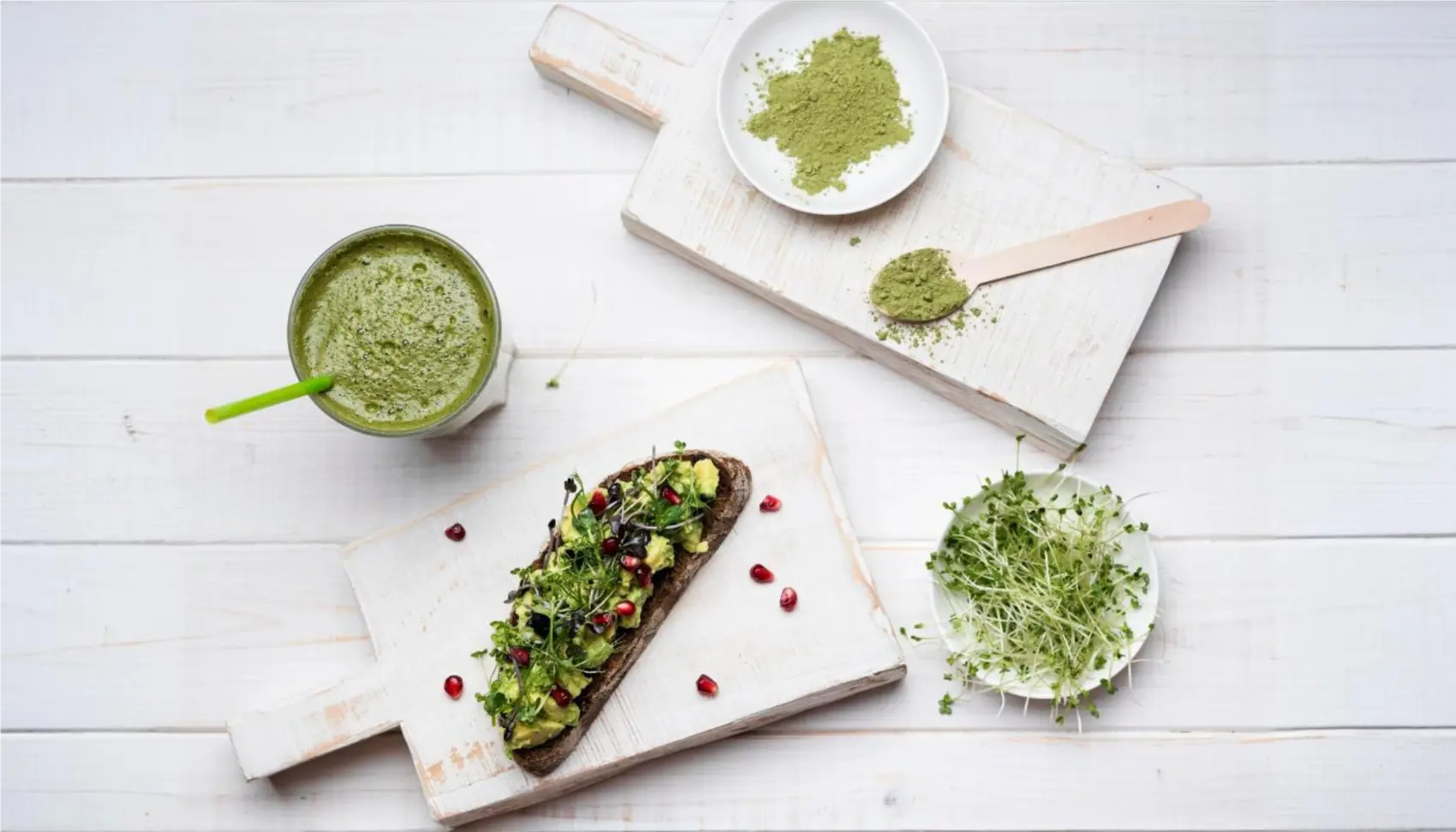
- Smoothies
- Juices
- Yogurt
- Oatmeal
- Salad dressings
- Energy balls
- Protein shakes
Practical Tips for Consumption
Recommended Daily Intake:
1–2 teaspoons per day is sufficient due to the concentrated nutrient density.
Best Way to Use:
For optimal retention of vitamins and enzymes, add to cold or room-temperature foods and beverages. Avoid prolonged high-heat cooking.
Storage Guidelines for Premium Quality
- Suggested daily intake: 1–2 teaspoons
- Best added to cold or room-temperature foods and beverages
- Avoid high heat to preserve delicate vitamins and enzymes
- Blend into smoothies, yogurt, oatmeal, protein shakes, or salad dressings
Storage for Premium Quality
- Store unopened bags in the freezer.
- Allow 45–60 minutes before opening to prevent condensation.
- After opening, remove excess air before resealing.
- Keep in a cool, dark place (60–70°F / 15–21°C).
- Avoid heat exposure.
Frequently Asked Questions
What is freeze-dried beet powder made from?
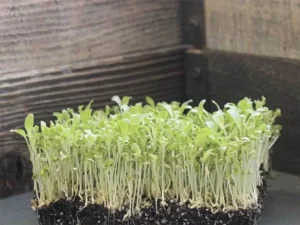
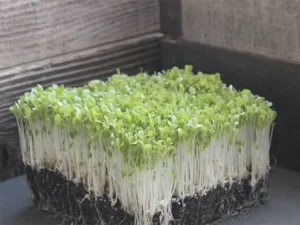
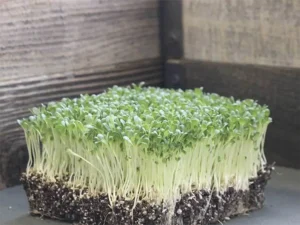
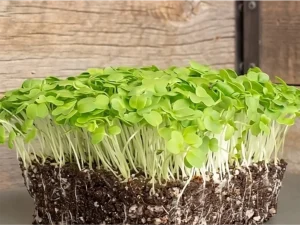
It is made from freshly harvested beet microgreens that are gently freeze-dried to retain their natural nutrients, color, and phytonutrientsWhat are the main beet powder benefits?
The primary benefits include cardiovascular support, antioxidant protection, immune support, and natural energy support, all provided by nitrates, iron, and vitamins.How is freeze-dried beet powder different from regular beet powder?
Freeze-dried beet powder preserves more heat-sensitive nutrients compared to conventional drying methods, resulting in a more nutrient-dense product.How much beet powder should I take daily?
1–2 teaspoons daily is generally sufficient for nutritional support, given its concentrated nature.Quality & Compliance Statement
This product is not intended to diagnose, treat, cure, or prevent any disease. All ingredient benefits are described in accordance with FDA structure-function claim guidelines and reflect the known nutritional roles of dietary ingredients without referencing specific diseases.